she's dead
and i am not okay

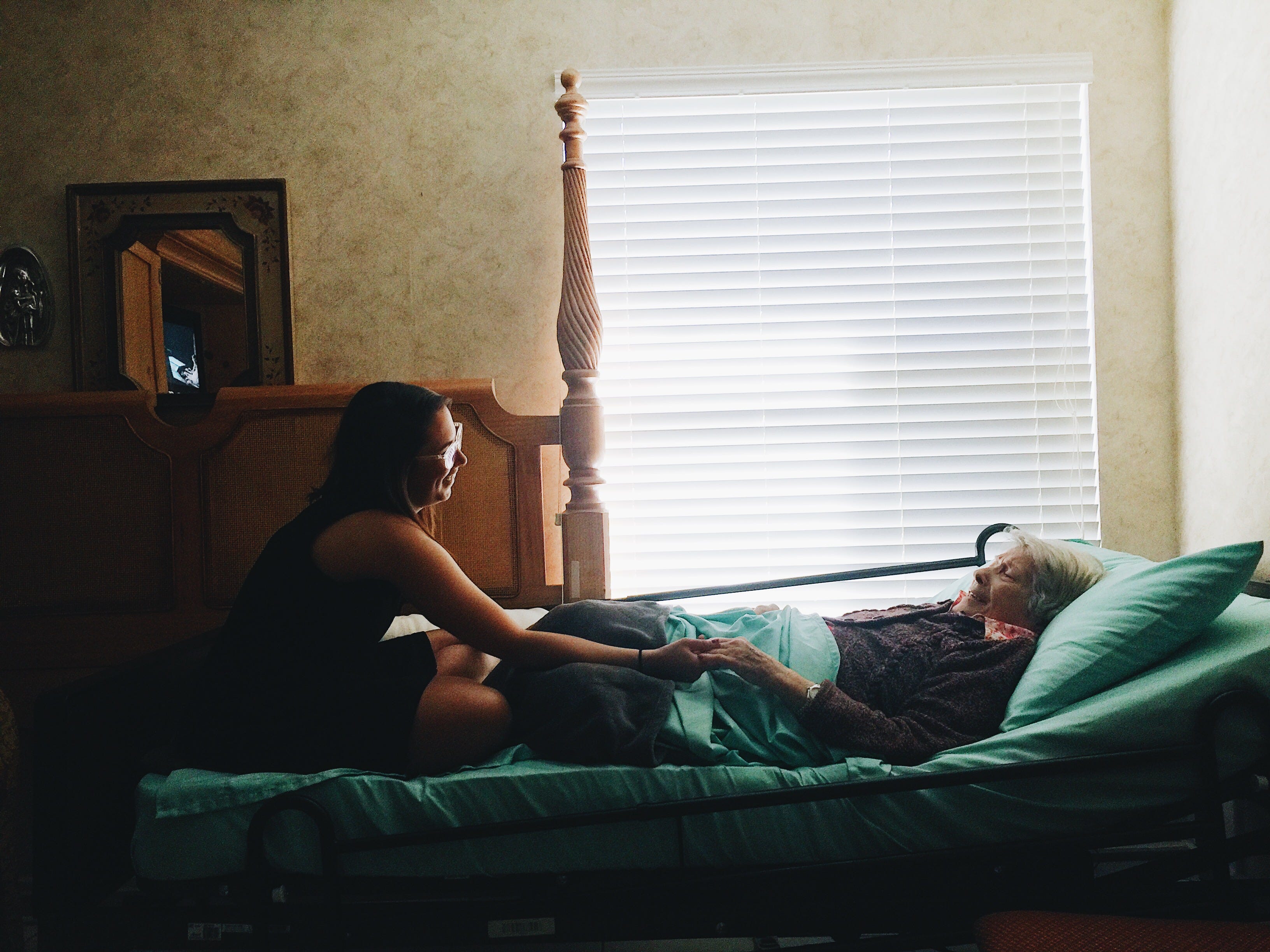
Abuela died last Friday. It’s been a long time coming. She had been in hospice for months, and still—knowing I am alive in a world she no longer physically inhabits—that I can’t hop on a plane, stop by her tiny duplex (the home that raised me), hold her fragile, cold, bony fingers in my palm, or bury my face in her neck—feels suffocating. God, what I would give to hold her one last time.
I told Taylor the morning it happened that I wish we could physically carry memories with us, like charms around our necks. The scariest thing about grieving someone so close is the fear that their memory—their scent, their voice—will one day slip from your mind forever. And then what?
I don’t know what I believe about heaven anymore. I used to imagine it as streets of gold and gates of pearl, but I’ve learned too much about the Bible to hold onto that kind of certainty. Now, when I think of heaven, I think of domino tables and salsa music and Cuban cigars. I think of Luis Miguel playing in the background and dripping mango slices laid out on the table, wet hands reaching in, slurping them up like candy. I think of cafecito—those tiny plastic tazas being passed around like shots of vodka.
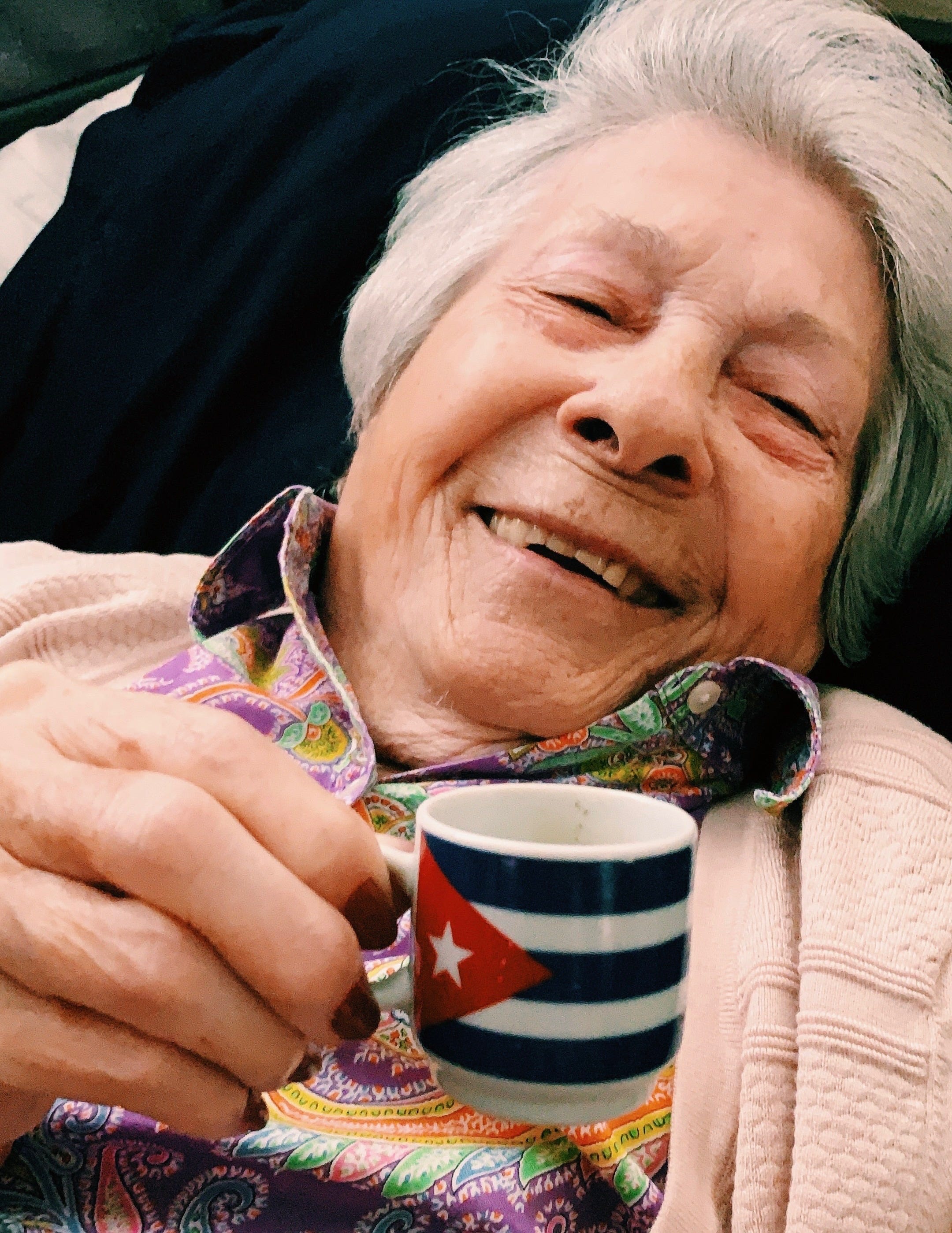
My life feels like it fundamentally changed overnight, and yet, in many ways, it didn’t. I haven’t really been able to talk to Abuela on the phone since her dementia progressed. For the last year, my visits were mostly spent watching her sleep, waking every few minutes to ask who was there. “Katy,” I’d tell her. “Ay, Katy, te quiero tanto,” she’d say in return. Even in the final stages of her illness, she never forgot me.
How do you begin to reflect on a life this full—this hard, this sad, this joyful? How do you hold all of it at once—the surviving and the thriving, the beauty alongside the resignation of making do with what life gives you? Abuela didn’t want to live most of her life without her husband, her love, and yet she did. She didn’t want to be buried so far from her people, her land, and yet she was.
But her life was also unimaginably full—full of love and meaning and purpose. It was long, and it was difficult, and it was beautiful. She was so loved—God, she was loved. It feels like when she died, something in me died with her.
The day of her funeral, the room was full of people she had sewn for and cooked for and danced with. People she sat around domino tables until 4am with. People who told me they hadn’t seen me since I was “this big.” Abuela lay in her casket, her body stiff, her face painted with makeup she never would have worn, her hands folded across her torso, and most of the people who loved her stood at a distance. Few people approached her. Everyone talked about how she was no longer suffering, how happy she was in heaven with Papi. And all I wanted to do was scream.
It is deeply uncomfortable for us, as a people, to be around death. I understand that. I do not judge people for how they grieve or for how our society handles death. But all I wanted to do was wail. I wanted my grief to reach the heavens. But instead, I stood beside her, by myself, and ran my fingers through her hair. I cried and I cried and told her I loved her. And every time I stepped away, concerned people smiled and looked at me with pity.
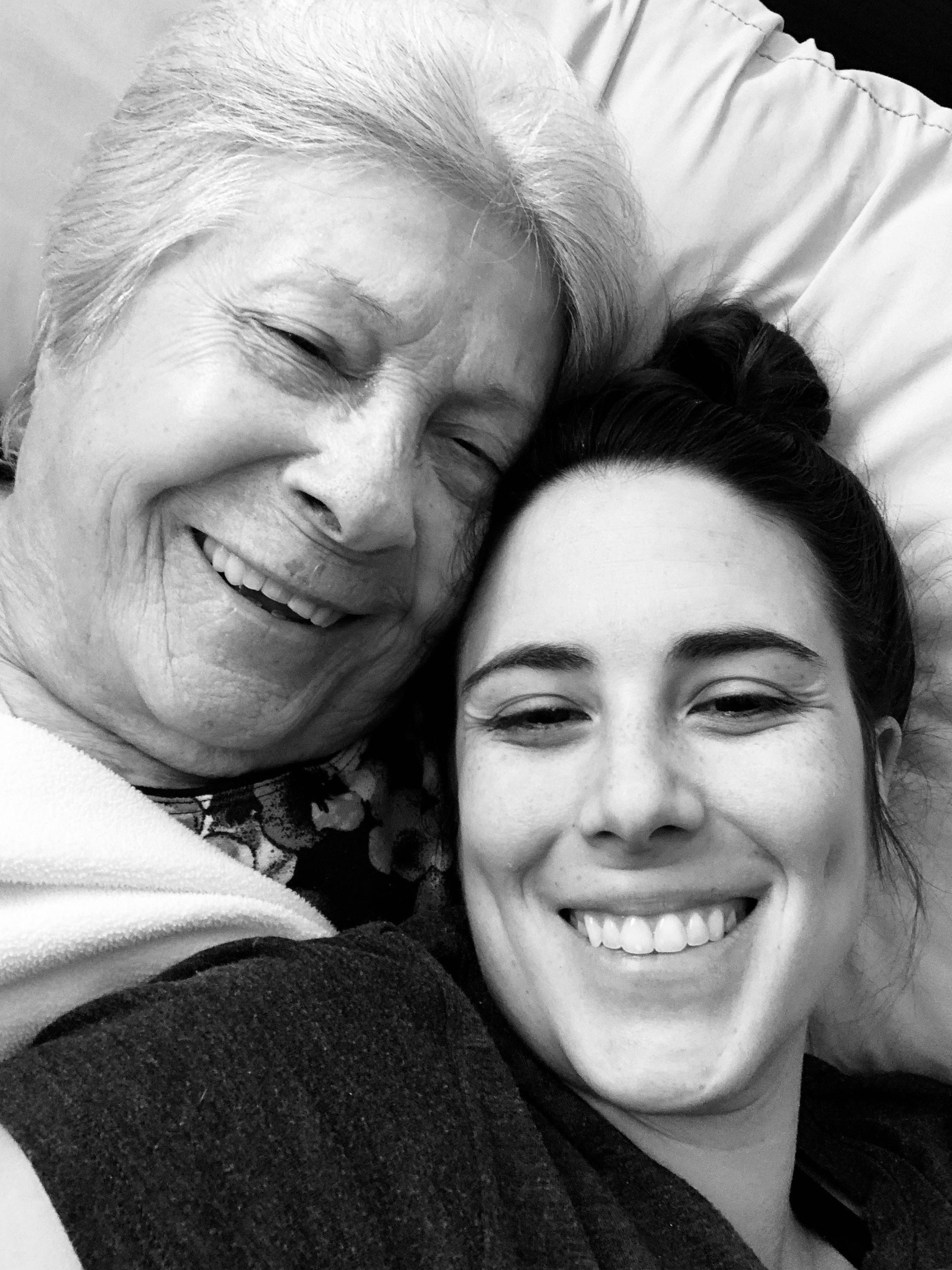
When it came time to drop a rose on her casket before it was lowered into the ground, I imagined myself holding onto it—going down there with her. I felt the cold dirt smack against my face. But I didn’t do that. I placed the rose gently because to do anything else would have been inappropriate. It would have caused a scene and we are so disconnected from grief that to witness it fully embodied feels offensive. We are respectable people, and respectable people behave a certain way. So I cried—silently, appropriately. We buried her during Holy Week, between Palm Sunday and Good Friday—on the day the Church commemorates Judas’s betrayal. “Spy Wednesday,” they call it.
“I’m drowning in overwhelm and grief,” I told my husband this morning. My kids, sensing my distance, have needed more of me, and today I found myself hiding in the bathroom because I couldn’t take it. “I don’t know what I need to recalibrate,” I said.
And then I read that in Poland, young people throw an effigy of Judas—a crude figure representing a specific person, often used in protests to express anger, mockery, or contempt—from the top of a church steeple on Spy Wednesday. They drag it through the village, beating it with sticks and stones, and what remains is drowned in a nearby stream. I read this and I thought, what better response is there to betrayal? What better response is there to greed in exchange for human life than something so embodied, so visceral, so honest?
So today, I will put on a movie for my children, step outside into the woods at a respectable, appropriate distance, and I will grieve. I will scream and I will wail. I will holler at the cruelty of life—how it takes from us when we are not ready. I will echo the words of Jesus on this Good Friday: “My God, my God, why have you forsaken me?”
And then, when I am done, I will go back inside. I will turn off the TV and make my kids a snack and I will tell my children about the beauty of Abuela’s life. I will be grateful for how long it was, for how many people knew her, loved her, carried her with them. I will sing her favorite songs. I will laugh when I remember her silliness.
Because this—all of this, appropriate and inappropriate—is what it means to be human, fully alive in this cruel and beautiful world.
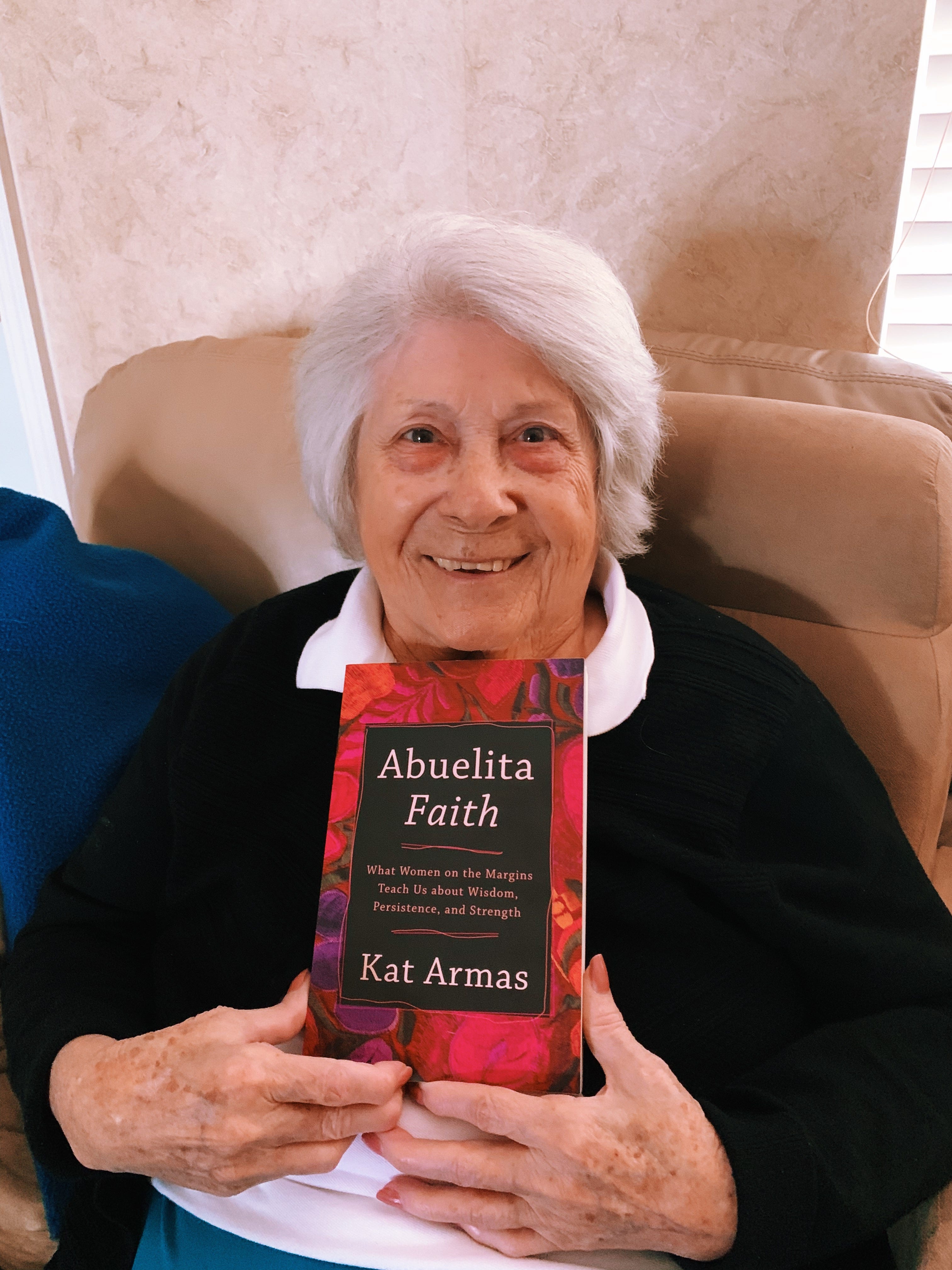
Thank you to every single one of you who loved her, too, who knew her through this work—those of you who emailed me about your abuelas, who remembered and shared about the dead and their stories of survival. It is one of my deepest joys to know she changed so many lives. I am forever, forever grateful. Unimaginably so.
Friends, talk to me about grief. All of it. I want to hear everything you’ve got.
I am very sorry for your loss. Thank you for this beautiful tribute and reflection. In my experience, losing a beloved one is first a terror that I won't or can't survive without them. But then worse, a slow, unfolding nightmare that I might. I don't believe time heals. When you lose someone who is beloved, the pain lasts the rest of your life. My father in his 90s said he still often missed his father. Grief and loss last a lifetime when there is deep love. That kind of love never dies. The love you have for your Abuela and your Abuela's love for you will be with you all your days. May her memory forever be a blessing. 🙏🏽
Holding you to the light, friend. This is a moving tribute to your Abuela. I'm with you - I don't want to take the sting from death. I think we're supposed to feel it. 🖤